-

Geoffrey Joe wrote a new post 5 years, 11 months ago
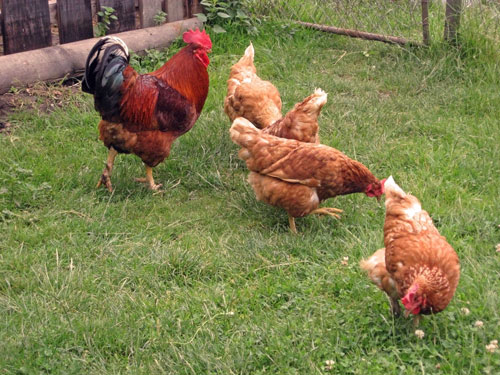
The good, the bad and the ugly of antibiotics use in chickens. Health management on poultry farms is of chief importance because of the overall economic effect it has on productivity.
Even farms stocked with […]
-
Geoffrey Joe wrote a new post 5 years, 11 months ago
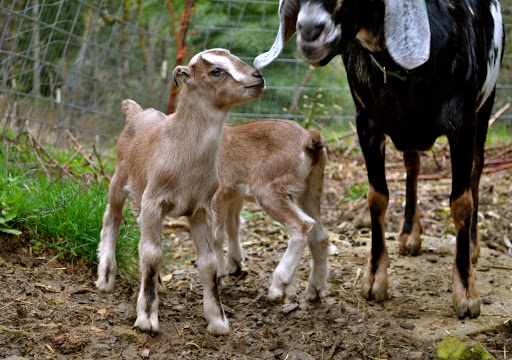
Very cold and/or wet weather when kidding: Kids lose body energy very rapidly when in cold or wet environments. As a result, they may become weak and die.
Maiden does: These does do not have experience to t […]
-
Geoffrey Joe wrote a new post 5 years, 11 months ago
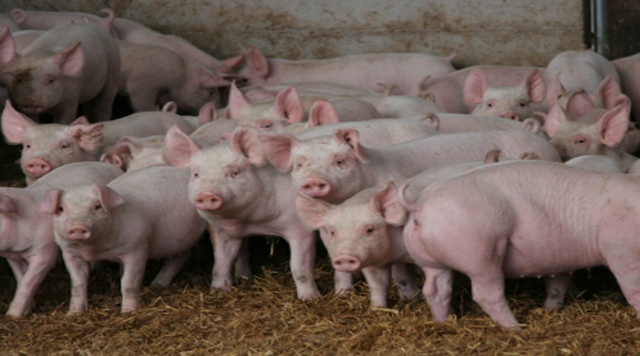
Camborough pigs are praised for their excellent meat quality that is to say; not too much fat, better resistance to parasites, higher growth rate, better mothering ability and high average litter size of 14 […]
-
Geoffrey Joe wrote a new post 5 years, 11 months ago
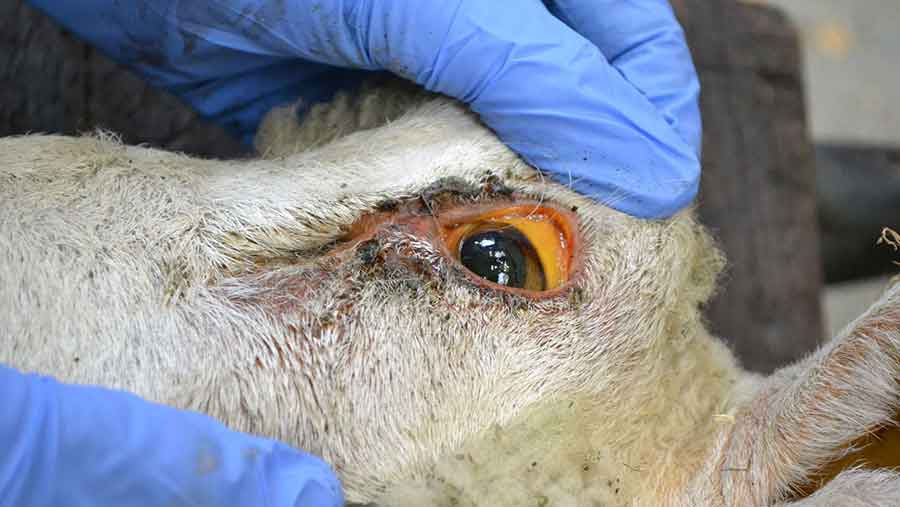
Sheep are particularly susceptible to the toxic effects of excess copper with clinical disease following a period of excess intake. It occurs when the liver’s capacity to store excess copper is exceeded and t […]
-
Geoffrey Joe wrote a new post 5 years, 11 months ago
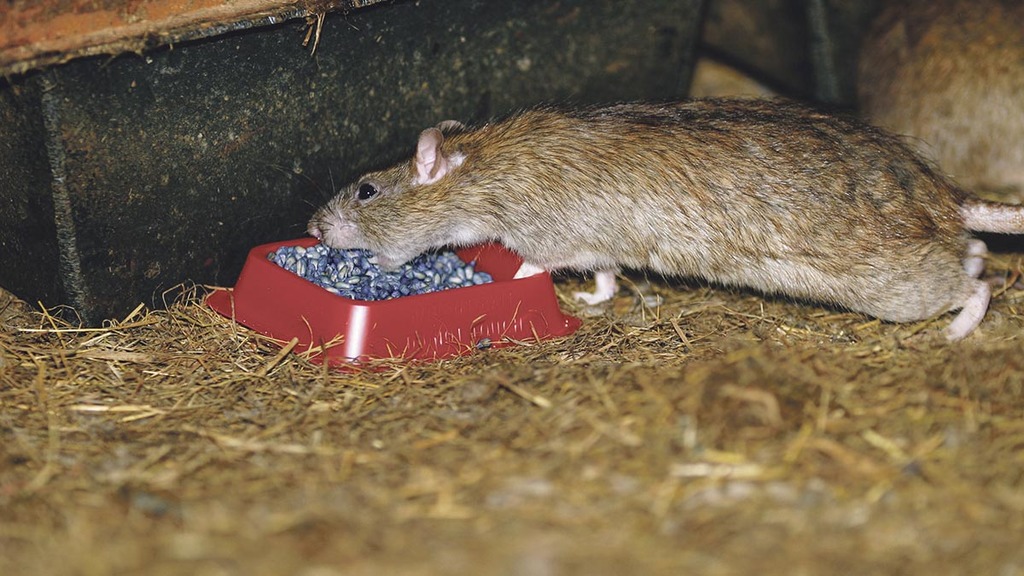
A single rat is capable of consuming up to 10% of its body weight in food each day. Assuming that the average rat weighs 250g, that’s 25g of food every day. Consider the number of rats around, the rate at which t […]
-
Geoffrey Joe wrote a new post 5 years, 11 months ago
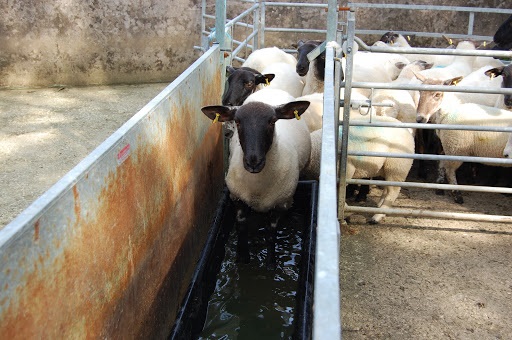
Many farmers wrongly believe routine foot-trimming helps control lameness and promotes better mobility. But it can actually spread bacteria and exacerbate lameness prevalence within flocks. This is also true of […]
-
Geoffrey Joe wrote a new post 5 years, 11 months ago
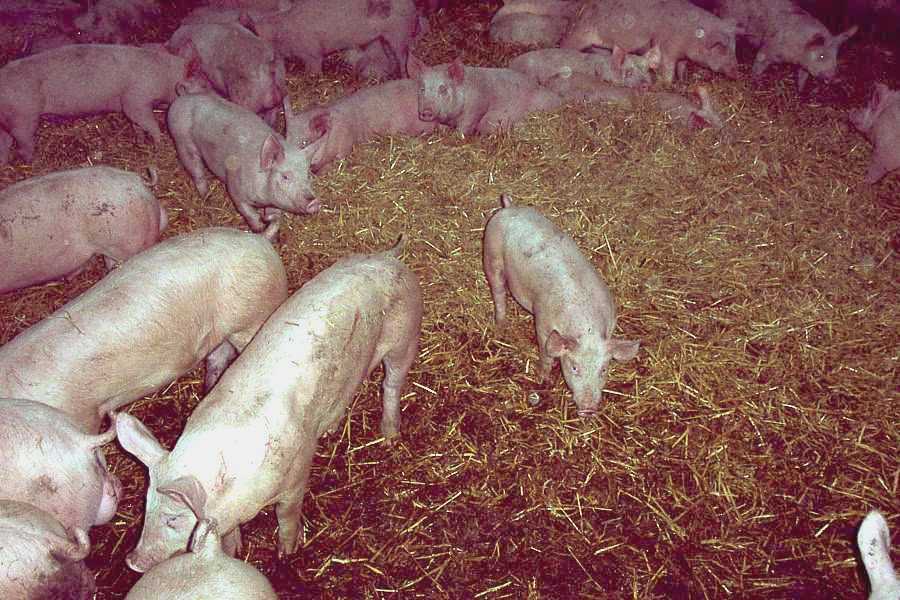
Swine Dysentery has long been recognised as a major disease of pigs throughout the world and can be seen in all types of pig keeping operations. The causative bacterium is identified as Brachyspira h […]
-
Geoffrey Joe wrote a new post 5 years, 11 months ago
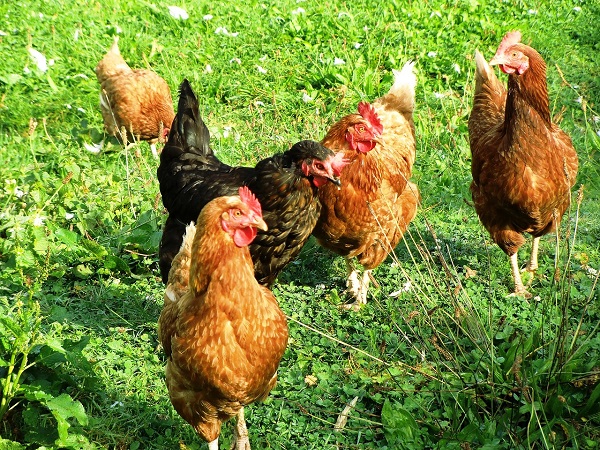
Poultry farming has rapidly grown in the country and across the world, with thousands of people keeping birds for commercial purposes. However, as the venture grows, consumer tastes are changing, with many now […]
-
Geoffrey Joe wrote a new post 5 years, 11 months ago
It should be noted that rabbit urine can be used in two ways, as a foliar fertiliser and as a pesticide or insecticide.
When used as an insecticide, a farmer would be required to mix two litres of concentrated […]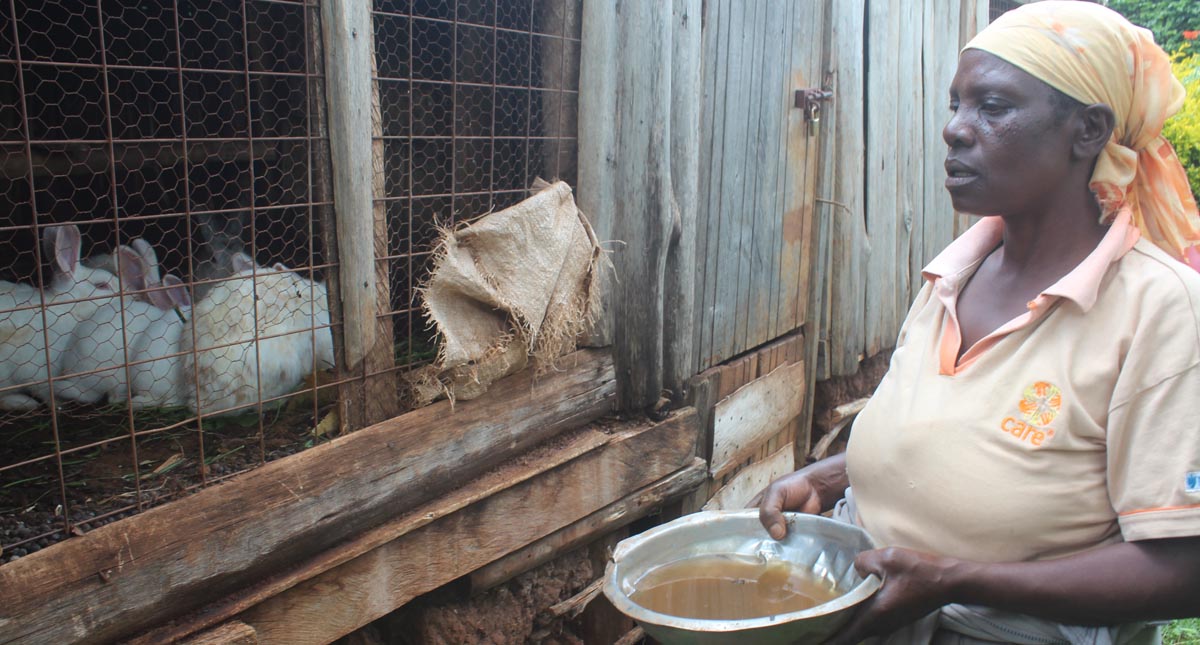
-
Geoffrey Joe wrote a new post 5 years, 11 months ago
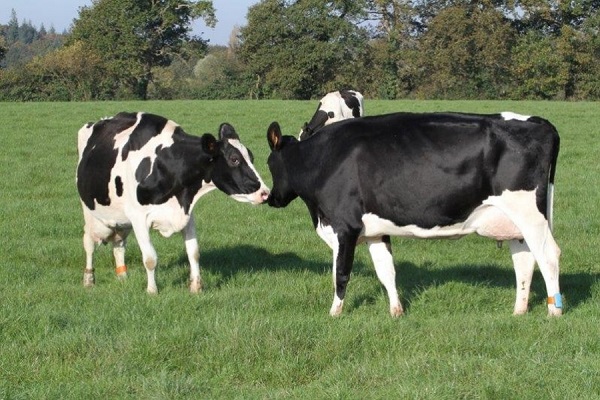
The ability to detect heat cycles among your cows and heifers is invaluable if you want to ensure your herd’s reproductive performance. Failure to detect when cows are in heat and breeding cows that aren’t in hea […]
-
Geoffrey Joe wrote a new post 5 years, 11 months ago
Farmers mark their livestock for many reasons, including to show or prove that they own the animal. In larger herds, marking helps the farmer to tell one animal apart from another. Marking is also part of record […]
-
Geoffrey Joe wrote a new post 5 years, 11 months ago
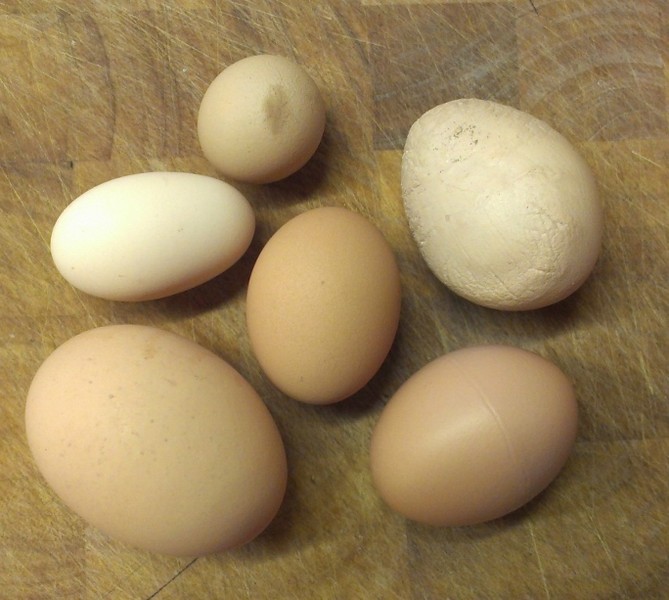
Factors that affect egg size are a sequenced relationship of firstly the breed potential followed by the lighting programme, both during the rearing period and when coming into lay. It is only well into lay t […]
-
Geoffrey Joe wrote a new post 5 years, 11 months ago
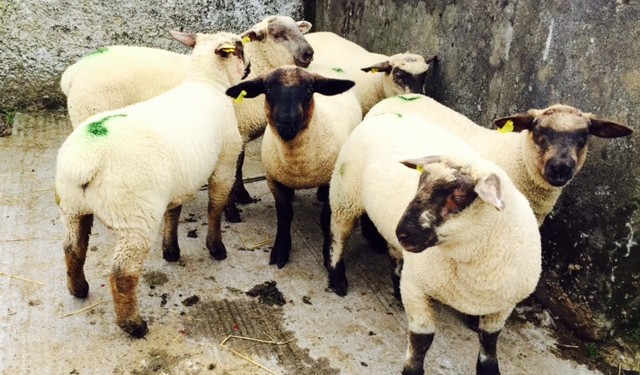
There are no general rules about dosing lambs that can be applied everywhere. Local conditions vary widely and even the situation on a specific farm can change from year to year, depending on the climate. What […]
-
Geoffrey Joe wrote a new post 5 years, 12 months ago
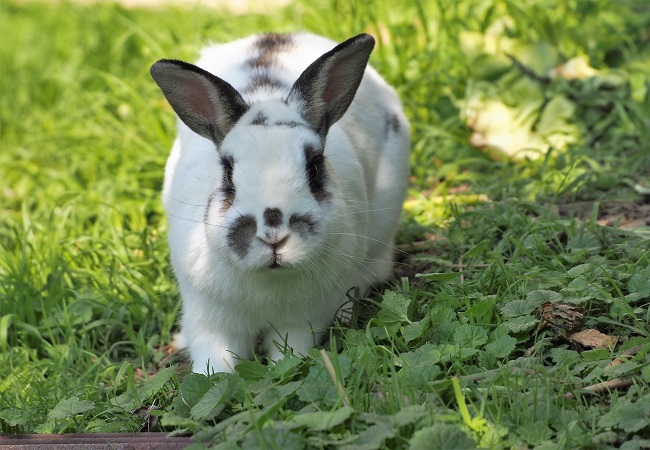
The common rabbit pinworm (called Passalurus ambiguus) is an intestinal parasite. It does not cause a serious health threat and often live unnoticed in rabbits, but it can cause uncomfortable itching and skin in […]
-
Geoffrey Joe wrote a new post 5 years, 12 months ago
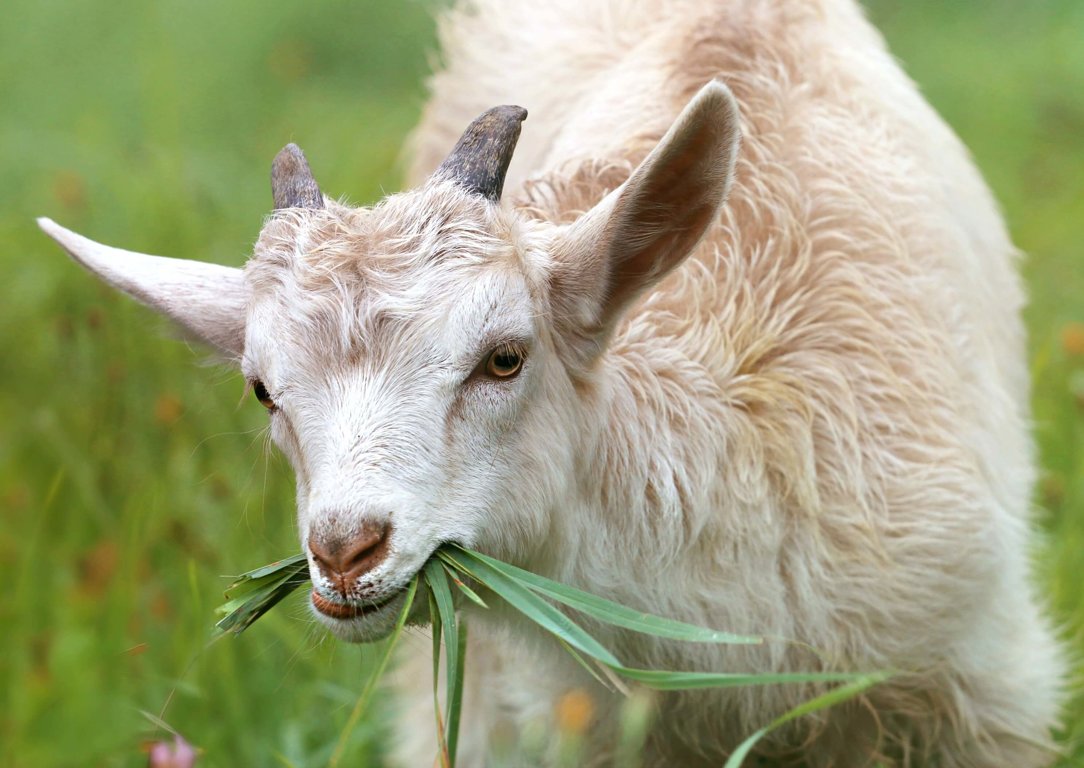
Ruminants are animals that have a four-part stomach and can digest the fibre (mainly cellulose) in plants. These parts are called the rumen, reticulum, omasum and abomasum. The large rumen makes up about 80% o […]
-
Geoffrey Joe wrote a new post 5 years, 12 months ago
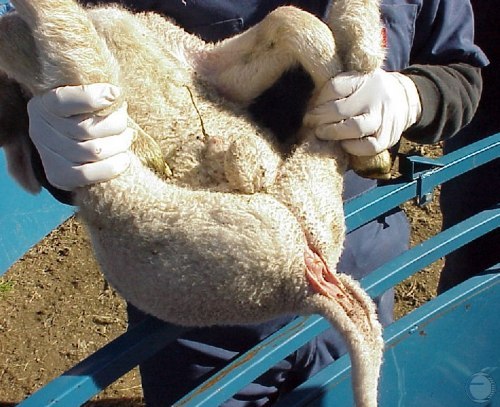
The need for castration is varies and is based on the management needs of the farm and preference of the market place. Ram lambs grow faster and have better body composition than wether lambs, and when ram lambs […]
-
Geoffrey Joe wrote a new post 5 years, 12 months ago
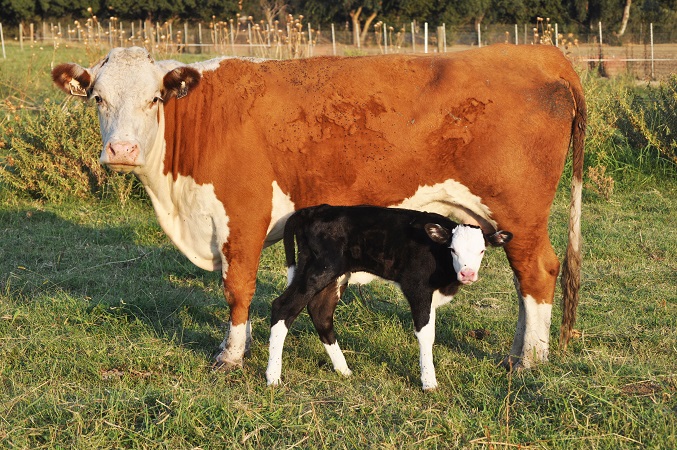
Cows will start to cycle about 6 weeks after calving when they’ll should show the typical heat signs. The main ones are mounting other cows and standing to be mounted themselves, roaring, and walking around a l […]
-
Geoffrey Joe wrote a new post 5 years, 12 months ago
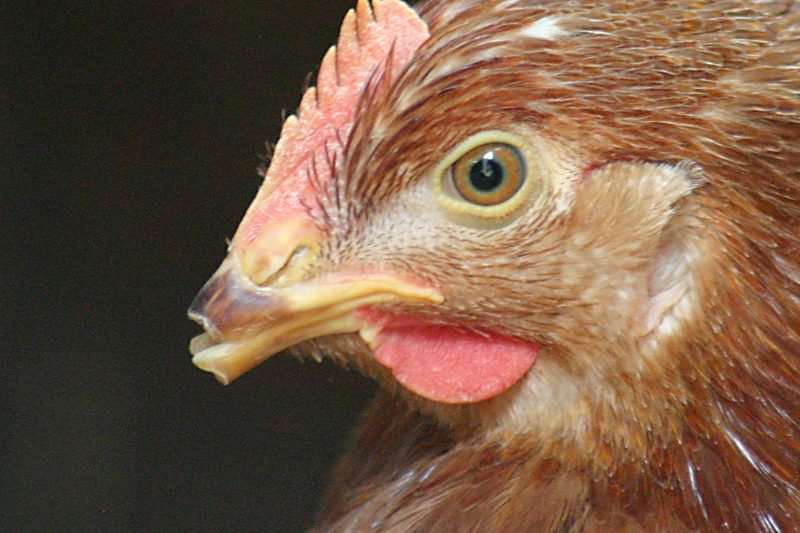
Allow the birds to use up their energy in an enclosed outside run. This will keep the birds busy and allow them to peck greens, ground and insects instead of other birds.
Give the birds a large handful of fresh […]
-
Geoffrey Joe wrote a new post 5 years, 12 months ago
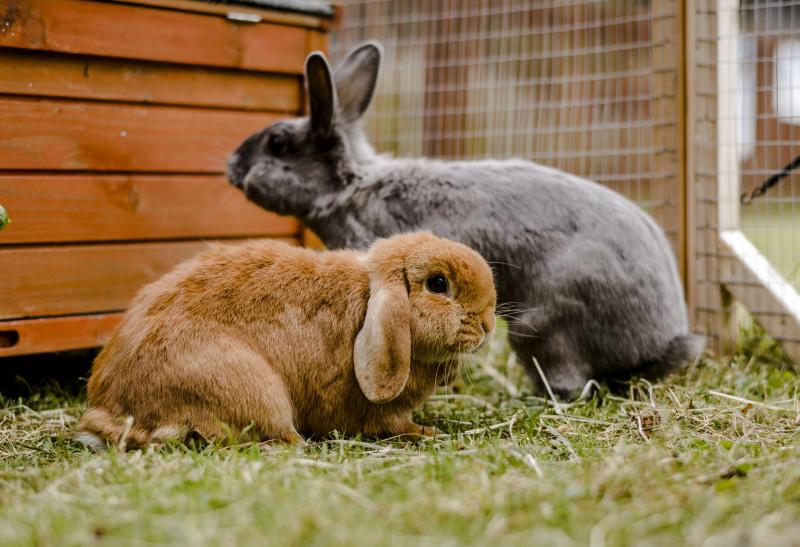
Neutering a male rabbit means removing its testes, while the equivalent procedure in a female is called spaying – the removal of the reproductive organs. Either way, it is a routine procedure that your vet can p […]
-
Geoffrey Joe wrote a new post 5 years, 12 months ago
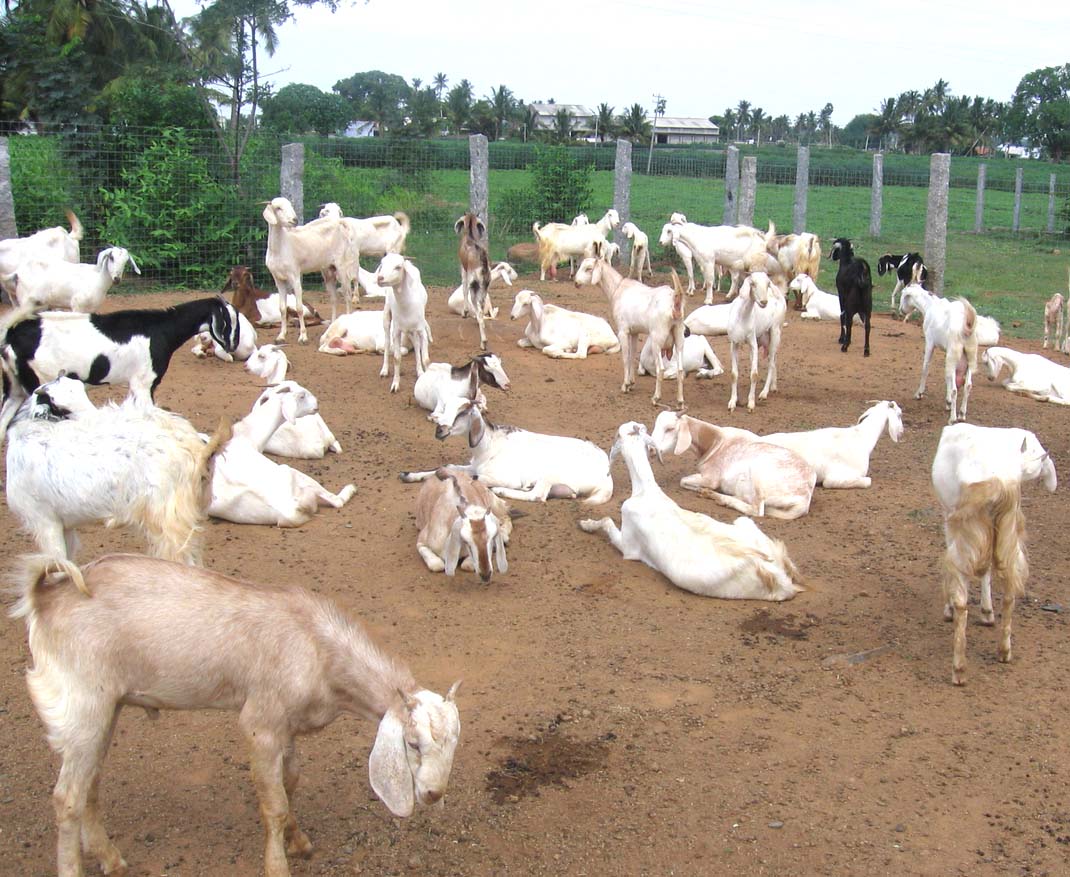
Reproductive failure can be defined as either sterility or infertility. Sterility occurs when there is a permanent problem preventing kid production, while infertility, or temporary sterility, is the inability to […]
- Load More
