-

Geoffrey Joe wrote a new post 5 years, 5 months ago
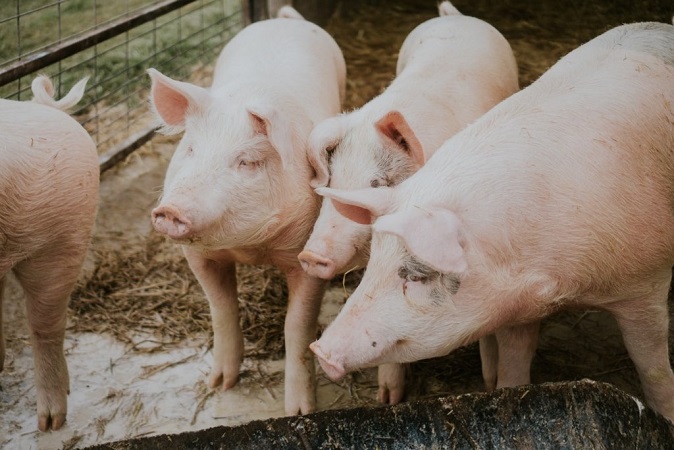
At 22 weeks, the pigs (now called baconers) require a higher feed ration as they are about to attain the market liveweight of between 80-90kg.
At this stage the farmer should give them 2.5 – 2.75kg of feed p […]
-
Geoffrey Joe wrote a new post 5 years, 5 months ago
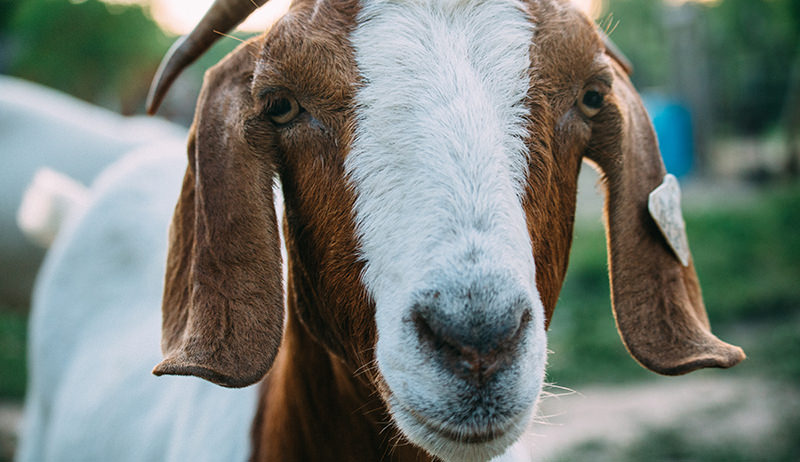
Nutrients are a vital part of a goat’s life and as such, it is up to us to ensure they are getting what they need. One nutrient in particular with which some goats struggle is copper. This is in large part […]
-
Geoffrey Joe wrote a new post 5 years, 5 months ago
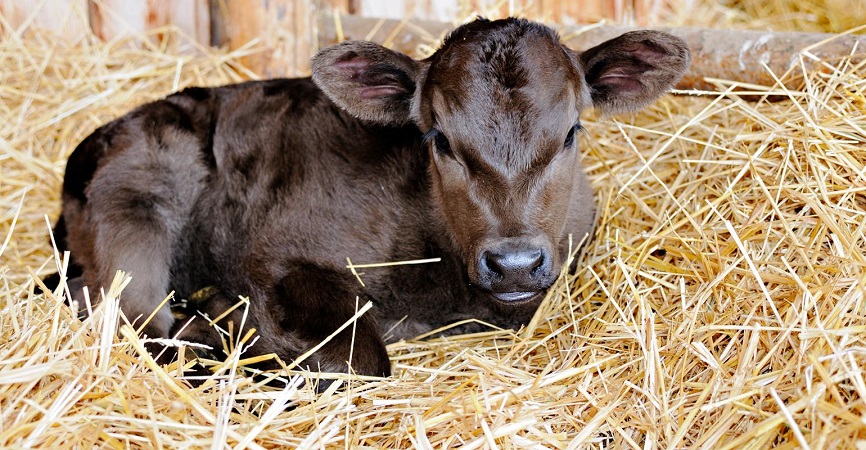
Typically, when I think of feeding colostrum, I think of a dairy farm. However, it is just as important to make sure newborn calves are getting adequate colostrum on a beef operation as it is on a dairy […]
-
Geoffrey Joe wrote a new post 5 years, 5 months ago
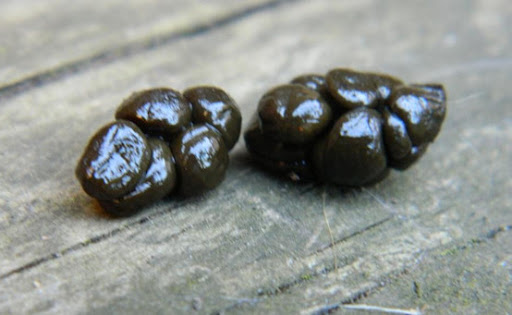
One of the earliest signs that your Rabbit isn’t healthy is the sight, smell, shape, and consistency of rabbit droppings. Knowing the differences between normal and abnormal rabbit poop is vital for quickly as […]
-
Geoffrey Joe wrote a new post 5 years, 5 months ago
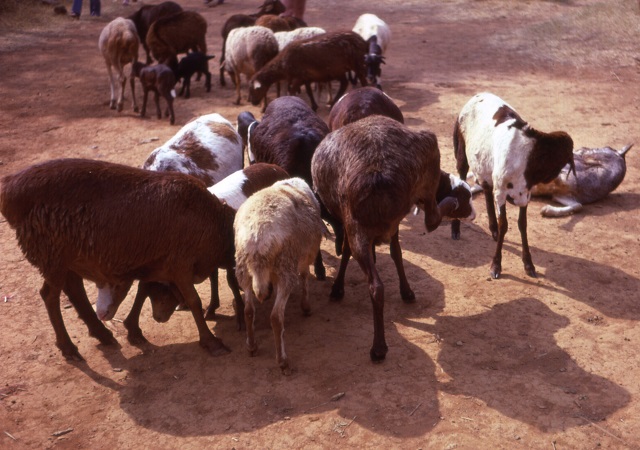
It is every farmers dream and desire to have a growing flock, all animals healthy and reproducing. However, infertilityin both Rams and Ewes could kill this dream. There are anumber of factors that cause […]
-
Geoffrey Joe wrote a new post 5 years, 6 months ago
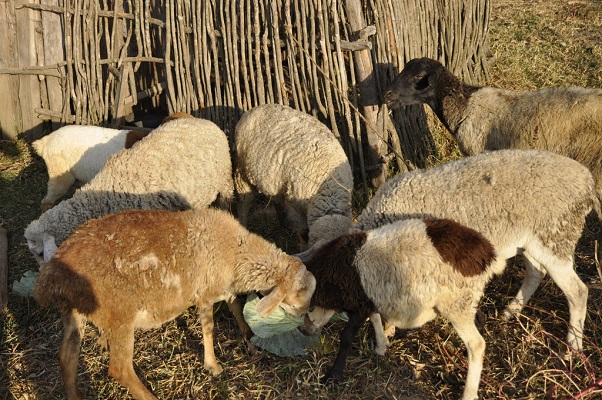
Nairobi sheep disease (NSD) is a tickborne viral disease of sheep and goats characterized by fever and hemorrhagic gastroenteritis, abortion, and high mortality. The disease was first identified near Nairobi, […]
-
Geoffrey Joe wrote a new post 5 years, 6 months ago
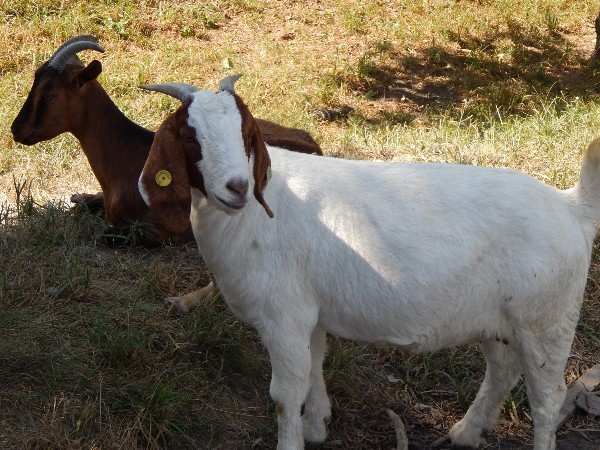
Goat fattening is nothing but “intensive feeding of goats in feedlots to slaughter weight with adequate fat deposit (finish)”. More goat farmers are showing interest in this as it generates quick inc […]
-
Geoffrey Joe wrote a new post 5 years, 6 months ago
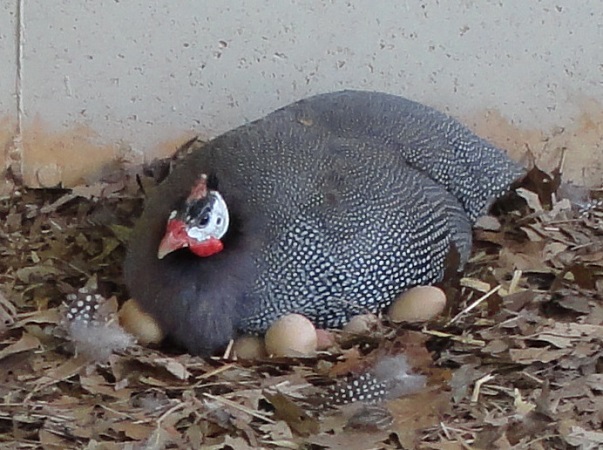
Farmer need to build and expand sizes of their guinea fowl flocks by incubating eggs. There are two main methods; You may use natural and artificial incubation. For small scale producers natural incubation is […]
-
Geoffrey Joe wrote a new post 5 years, 6 months ago
Homeostasis is the tendency of a body to maintain a stable internal environment in response to changes in external conditions. On a very hot day, for example, an animal will instinctively seek to maintain […]
-
Geoffrey Joe wrote a new post 5 years, 6 months ago
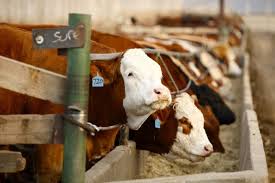
Calves should be fed milk at approximately 10% of their body weight. Milk can be mixed with other dairy products (whey or skim milk) at this stage and should be fed at body temperature. Commercial milk replacers […]
-
Geoffrey Joe wrote a new post 5 years, 6 months ago
Humans make mistakes everywhere and learn from them. There are small mistakes that we laugh over, dust ourselves, take lessons and move on ensuring and swearing they will never again happen under our watch. […]
-
Geoffrey Joe wrote a new post 5 years, 7 months ago
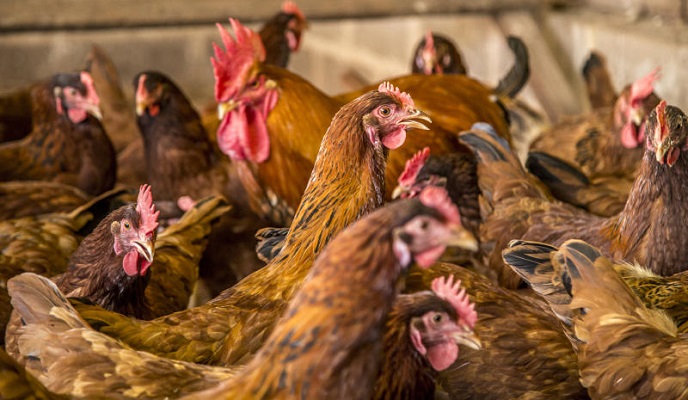
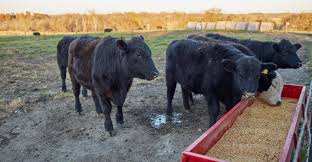
Trace nutrients are only needed in small quantities; farmers may think they are inconsequential judging from their minute quantities on the ingredient list but these micro-nutrients play an equally important role […]
-
Geoffrey Joe wrote a new post 5 years, 7 months ago
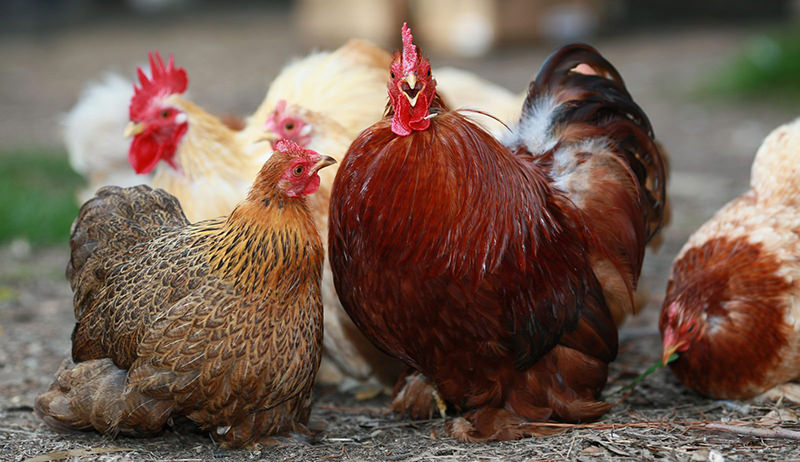
When a chicken faces extreme conditions such as excessive heat, its body’s defence mechanisms kick in, resulting in stress. Other stressors include a very low ambient temperature, a high ammonia level in the p […]
-
Geoffrey Joe wrote a new post 5 years, 7 months ago
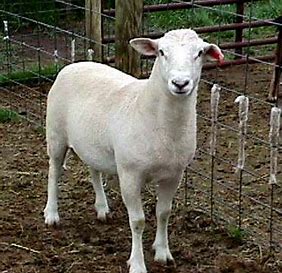
Much like the common advice given to humans, it’s important to regularly check the health of sheep with a routine physical examination rather than waiting until they’re showing signs of distress or illness. Not […]
-
Geoffrey Joe wrote a new post 5 years, 7 months ago
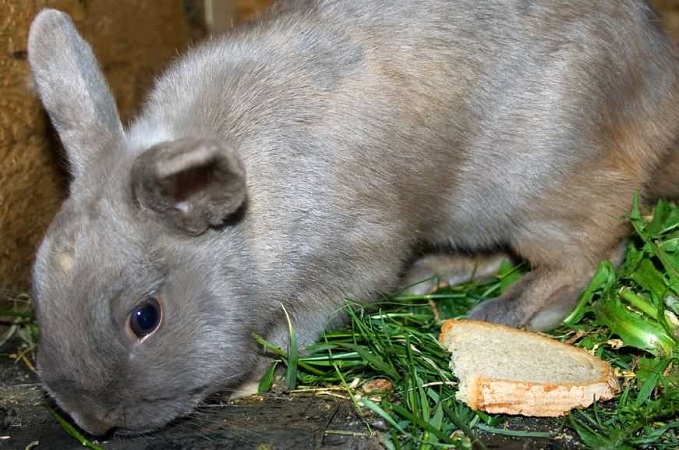
No one wants to see Rabbits eating their own poop. However, this is a normal behavior for rabbits and a vital part of their digestive process. In fact, what rabbits are consuming is not actual feces, but s […]
-
Geoffrey Joe wrote a new post 5 years, 7 months ago
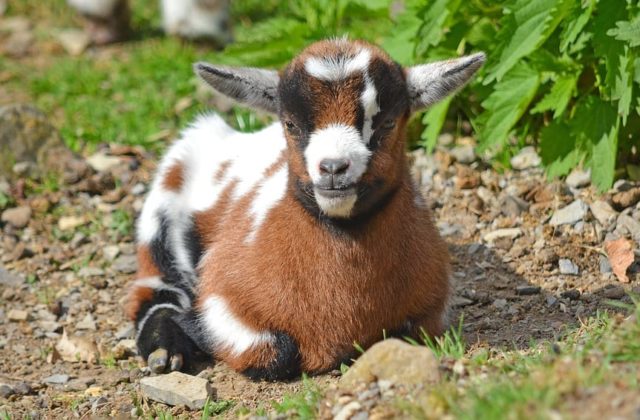
Due to their typically thicker coats, goats require close examination to reveal potential ailments and injuries that you may not notice through a cursory observation. By paying regular attention to the herd, you […]
-
Geoffrey Joe wrote a new post 5 years, 7 months ago
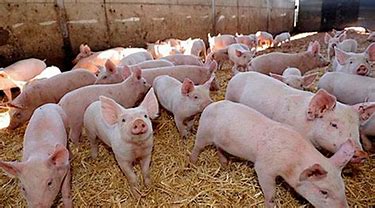
One important thing to keep in mind with pigs is that they are both very strong and very curious. Thus, it’s important to make sure that the indoor space you’re providing them with is strong enough to with […]
-
Geoffrey Joe wrote a new post 5 years, 7 months ago
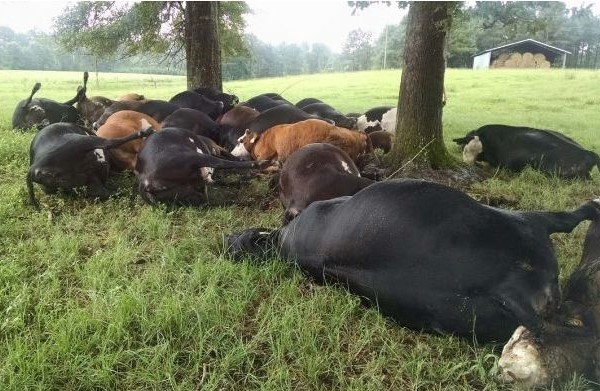
Organophosphates are chemicals used to kill insects on plants and animals. They are purely for external use but can sometimes be ingested by animals, resulting in poisoning. Organophosphate poisoning is […]
-
Geoffrey Joe wrote a new post 5 years, 7 months ago
1. Pigs are dirty animals:
If you say pigs are dirty, you are likely not to take care of their houses (pigsty) and this will expose them to many diseases and directly abuse its welfare. On the contrary, p […]

-
Geoffrey Joe wrote a new post 5 years, 7 months ago
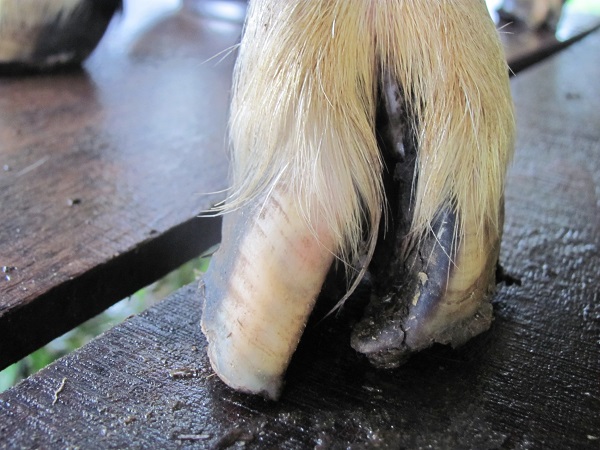
If any animal on the farm property has foot rot, the bacterium will now live in the soil. It’s important to keep shelters dry so goats do not bring disease in.
Not all limping is a foot rot symptom. Examine t […]
- Load More
